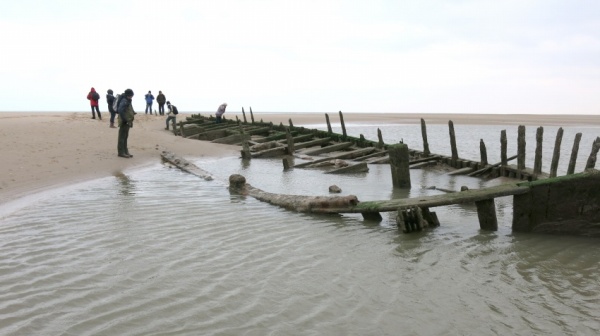
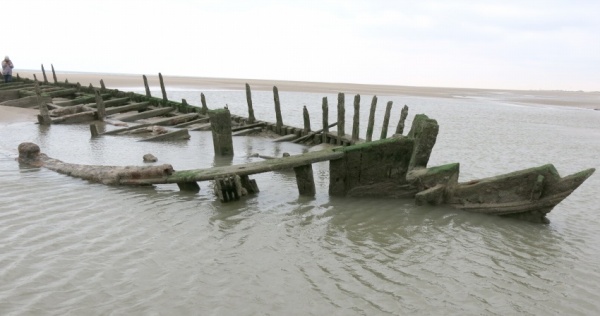
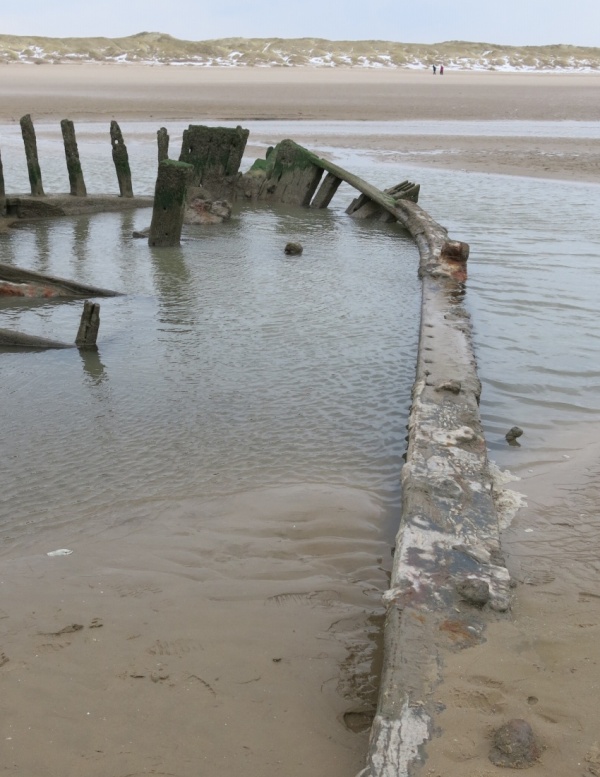
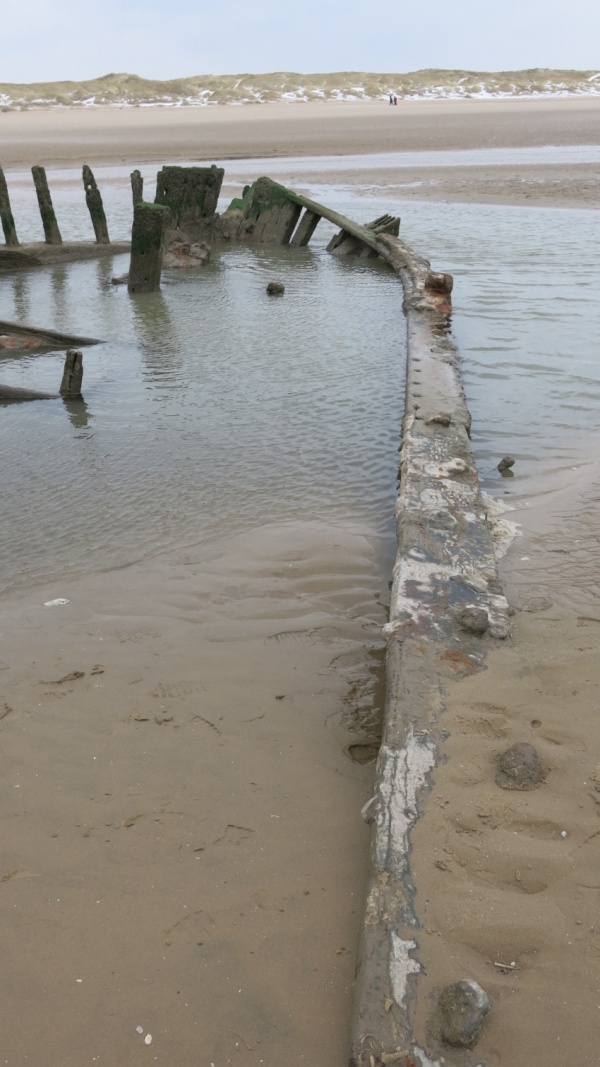
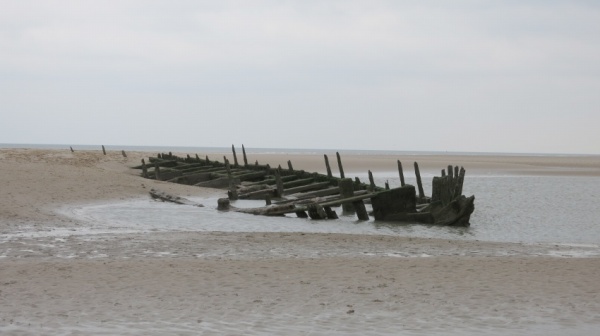
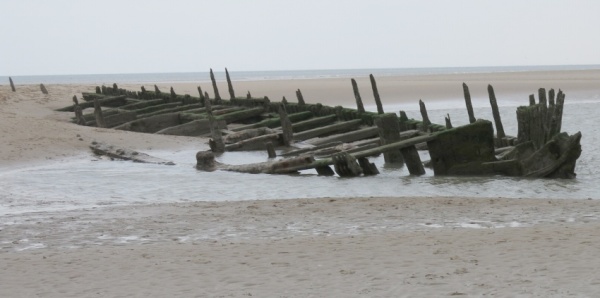
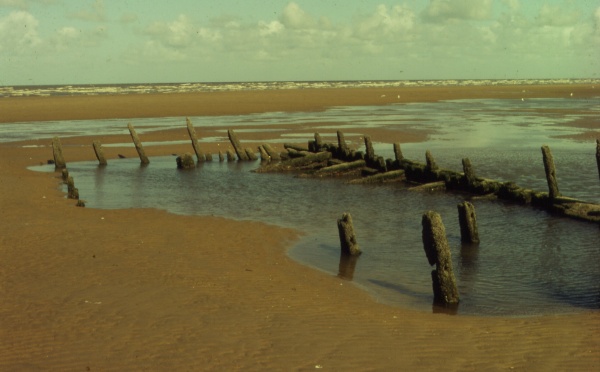
wrecked in Jan 1883 lying on the Ainsdale sands
 |
The Star of Hope was wrecked in January 1883.
This wreck is what I consider to be a very typical “Southport wreck” I say
this because it represents a typical sailing ship, 120 ft long 25 feet wide
bringing goods across the Atlantic to the thriving port of Liverpool to feed the Victorian factories of East Lancashire.
Many of these type of vessels were wrecked on Southport sands attempting to get to the port of Liverpool.
The goods would be off loaded at Liverpool and then shipped up the Leeds and Liverpool canal to the mills.
Unfortunately because of the Westerly winds and having sail power only she got caught in a gale that
pushed it onto the Southport Sands, like many before and after her.
A report in the Southport Visiter of the 27th January 1883 reads :
A telegram says – The German Barque the Star of Hope was known to be off the Mersey, where distress flares were seen. Nothing has been heard of her since. A further report says the crew of the Star of Hope are aboard the Crosby light ship. The vessel must therefore be wrecked.
The Star of Hope had been built at the Stephen and Forbes boatbuilding yard at Peterhead and was launched in 1865.
At the time she was lost she was captained by Captain Hanuman and registered at Memel, in the 1800's Memel was in Eastern Germany a port on the Baltic at the mouth of the the River Nieman and is now called Kalaipeda and now is in Lithuania.
When she was wrecked she was outward bound from Wilmington North Carolina USA with a cargo of raw cotton and was caught in a WSW force 10 gale in the Mersey approaches.
In the 1880’s there was a telegraph system in operation with stations from Anglesey to Liverpool which was there to note when sailing ships appeared off the North Wales coast and send these details to the shipping authorities in Liverpool so they could be ready to berth and unload the ships.
The system was the forerunner of the later electronic systems and was considered at the time to be very state of the art and could pass messages in just a few minutes all the way from Anglesey to Liverpool.
The owners would have known that the ship was within a day or so of berthing at Liverpool and would have begun to find a suitable berth for her, but obviously for this ship ( and many others like it ) the gales made it impossible for them to sail into Liverpool and they became overwhelmed by the sea conditions and the crew had to abandoned ship.
The crew of 9 were taken on board the Crosby lightship and therefore survived.
This wreck is most interesting one as it has a habit of appearing and disappearing according to the movement of the sandbanks and channels.
The last time I visited her in the spring of 2014 and she was almost completely covered with sand but often after the winter gales she becomes uncovered and shows her timbers again.
During the storms of the winter and early spring of 2013/4 the banks around her changed leaving her on the last bank before the sand slowly shelved to the waterline.
She is firmly imbedded in this bank but should the banks continue to come closer to the shoreline she will become completely uncovered and almost certainly be broken up by the tides and storms.
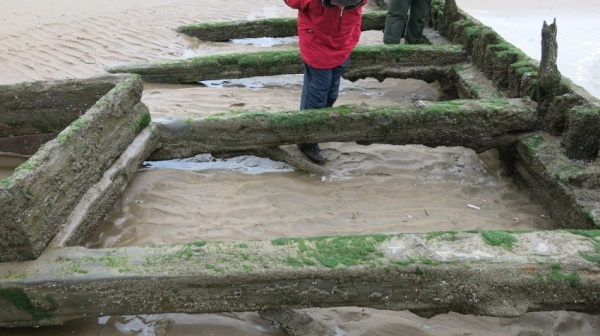
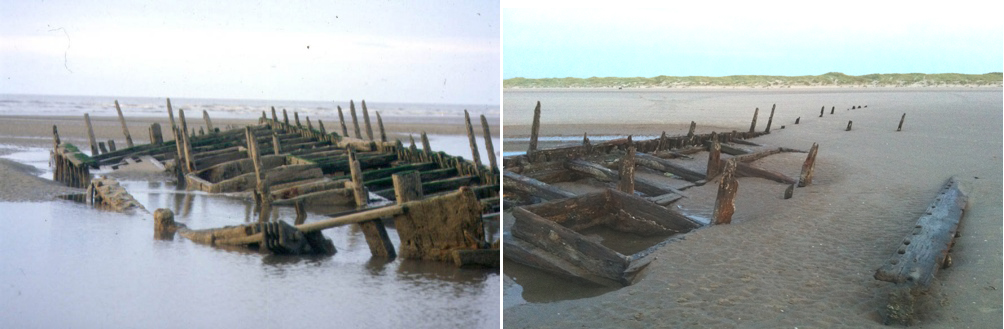
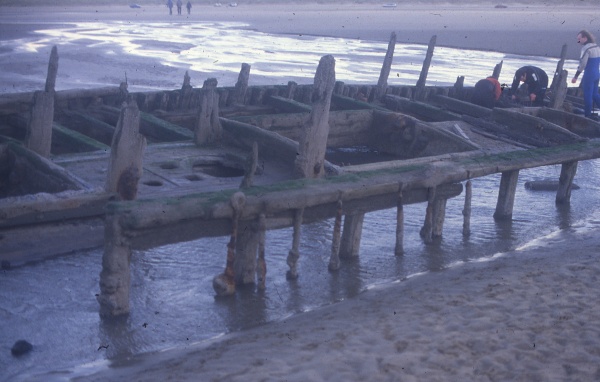
When I visited her in the late 1980's most of her decking was showing and many features could be seen, the two holds, the mast hole, part of the rail running around the main deck, a large part of the decking, and several barrels of cement.
On one Winter afternoon two men were digging inside the wreck and sieving the sand looking for artefacts, whilst I was there they uncovered several fragments of pottery and some broken clay pipes.
Under the Sefton Coast Partnership we run organised visits to her when she is uncovered, but if you would like to know her current status please email me and I will give you an up to date status on her.
Judging from her recently there is a possibilty that she is becoming uncovered again but it is likely to take many months before she is uncovered completely.
She was built at Peterhead in Scotland by Stephen and Forbes boatbuilding yard and was launched in 1865, she was one of the largest ships to have been built by this maker who's main output was fishing trawlers and drifters.
At the time she was lost she was captained by Captain Hanuman and registered at Memel, in the 1880’s Memel was in Eastern Germany a port on the Baltic at the mouth of the the River Nieman and is now called Kalaipeda and now is in Lithuania.
When she was wrecked she was outward bound from Wilmington North Carolina on the East coast of the USA with a cargo of raw cotton from the Southern United States cotton fields and was caught in a WSW force 10 gale in the Mersey approaches.
Her crew of 9 managed to get on the Bar Lightship but she became a total wreck.
I have detailed below the many faces of the Star of Hope taken over many years but mainly from 1988 to 2014.
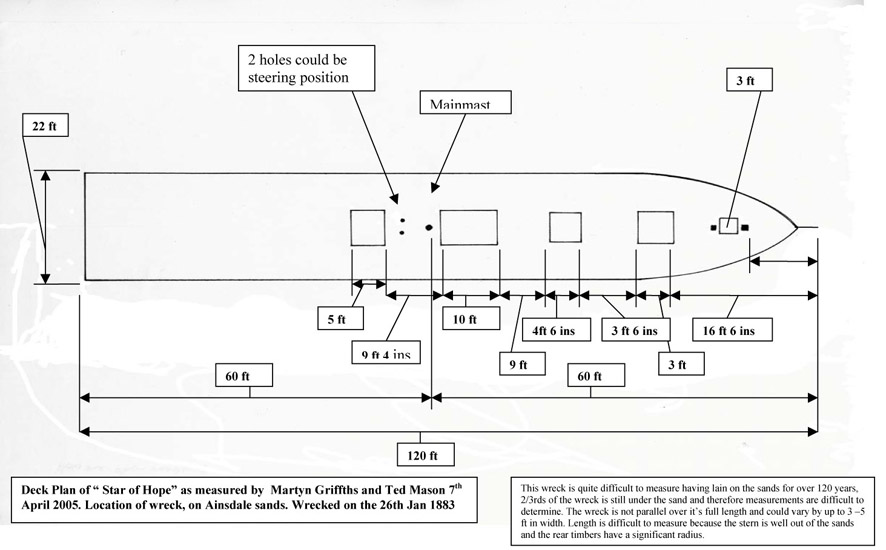
This plan was put together by myself and Ted Mason in April 2005 to compliment the earlier plan produced by a good friend of mine Len Lloyd who passed away some years ago and was responsible with others from a local Maritime group who identified the wreck.
 |
 |
|
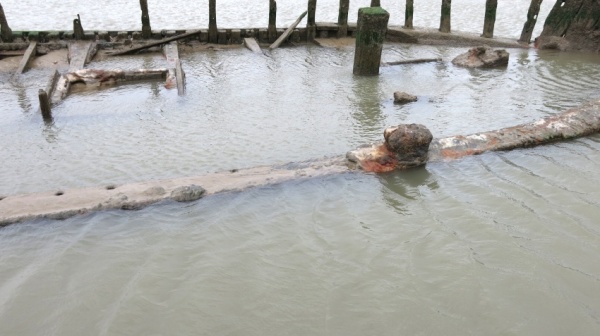
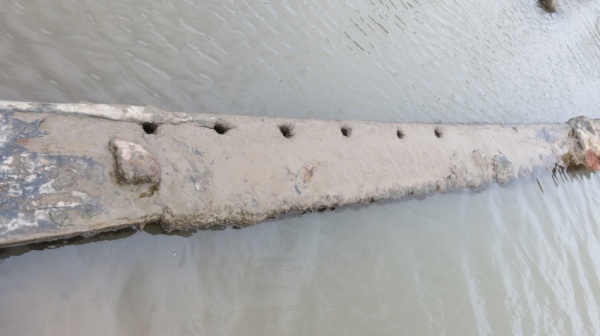
| 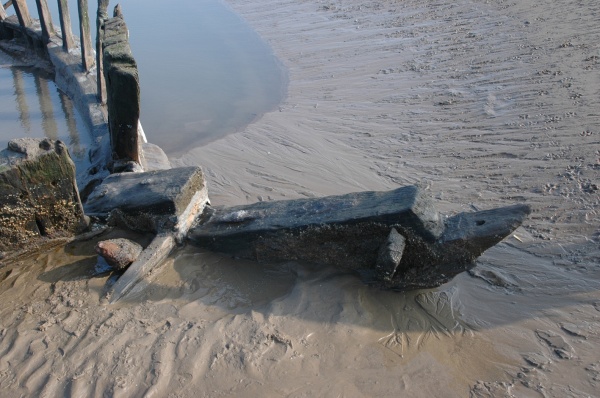 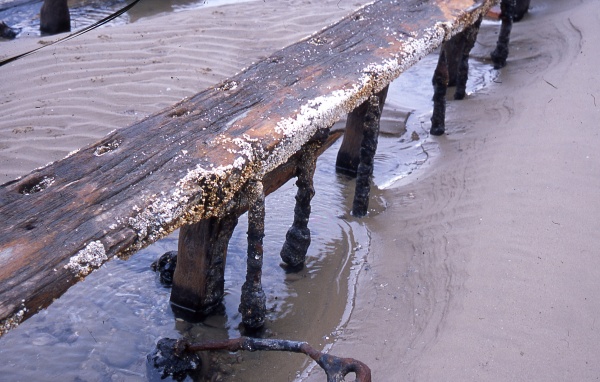 Note the eye where the rope would have been tied through. 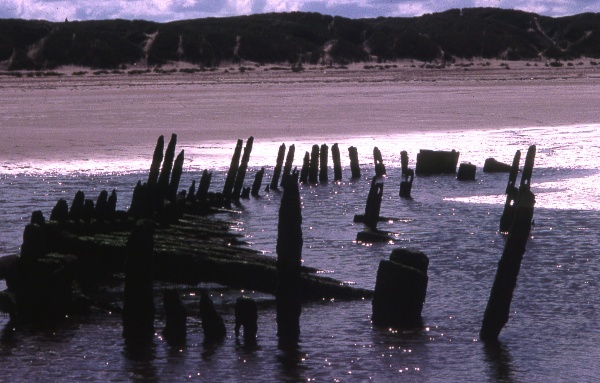 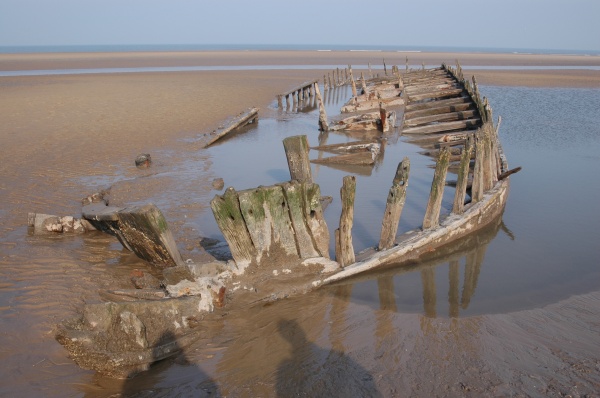 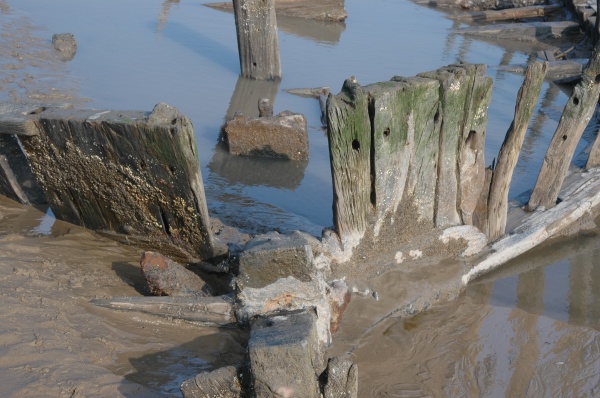 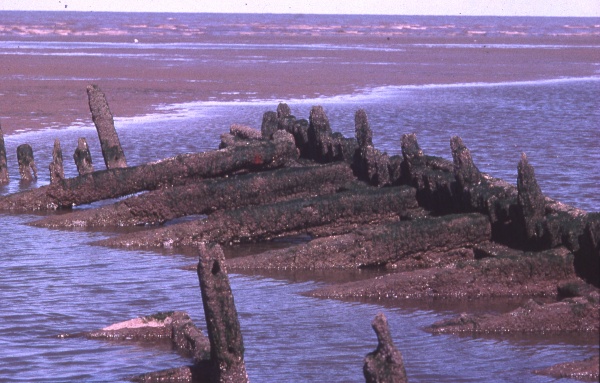 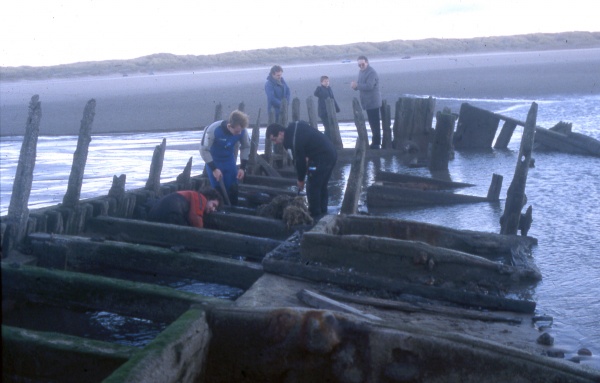 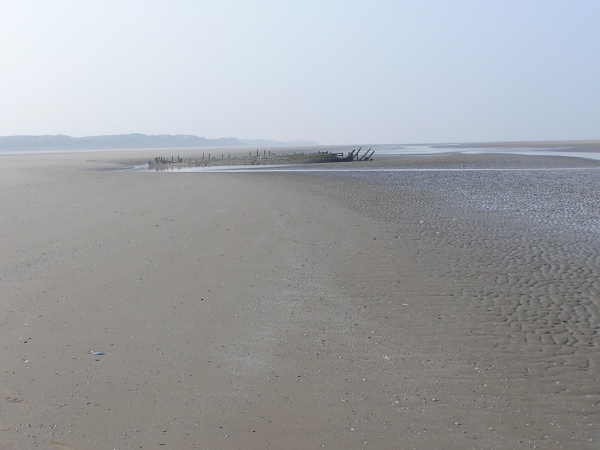 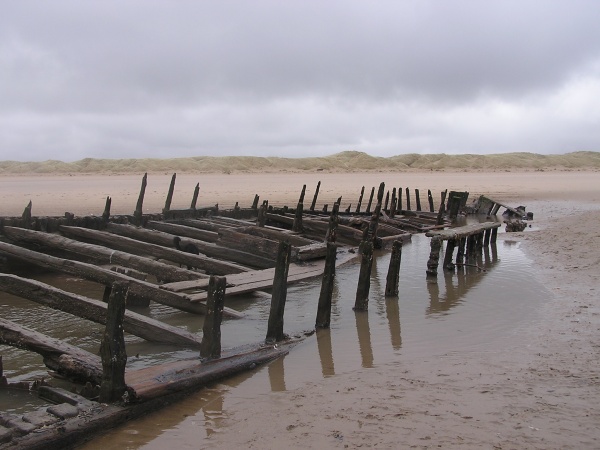 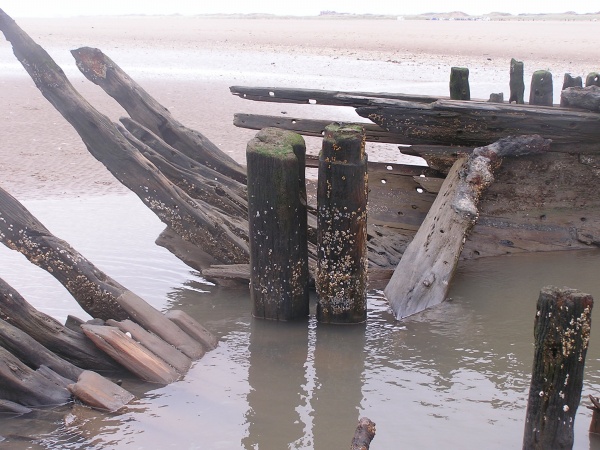 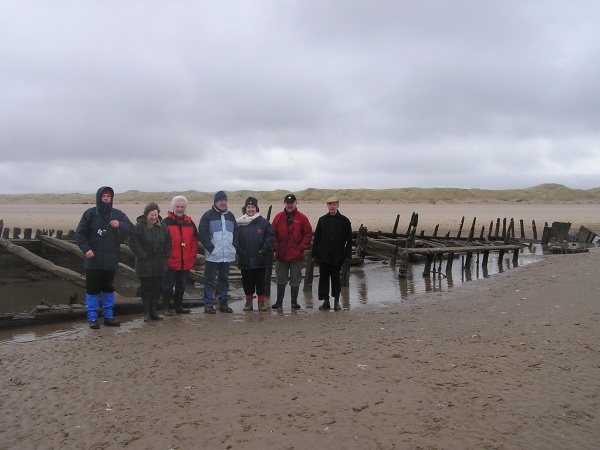 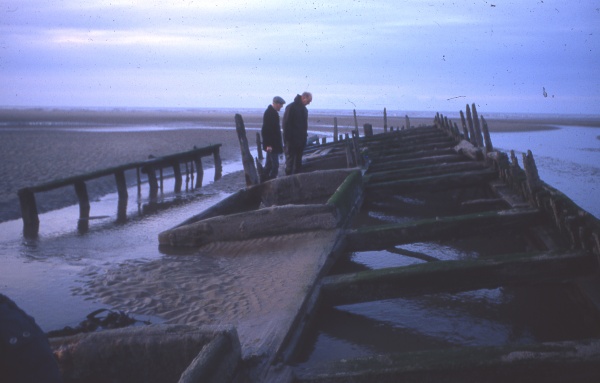 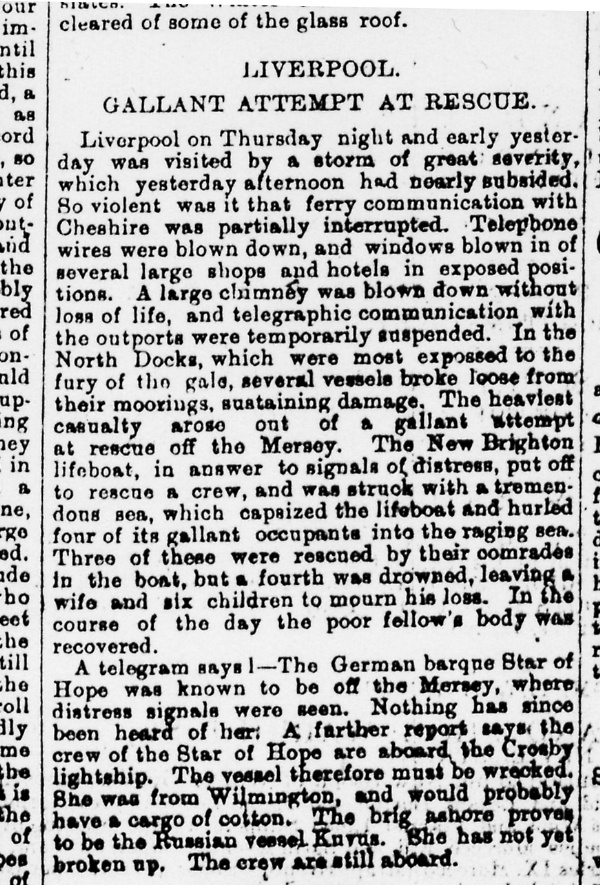 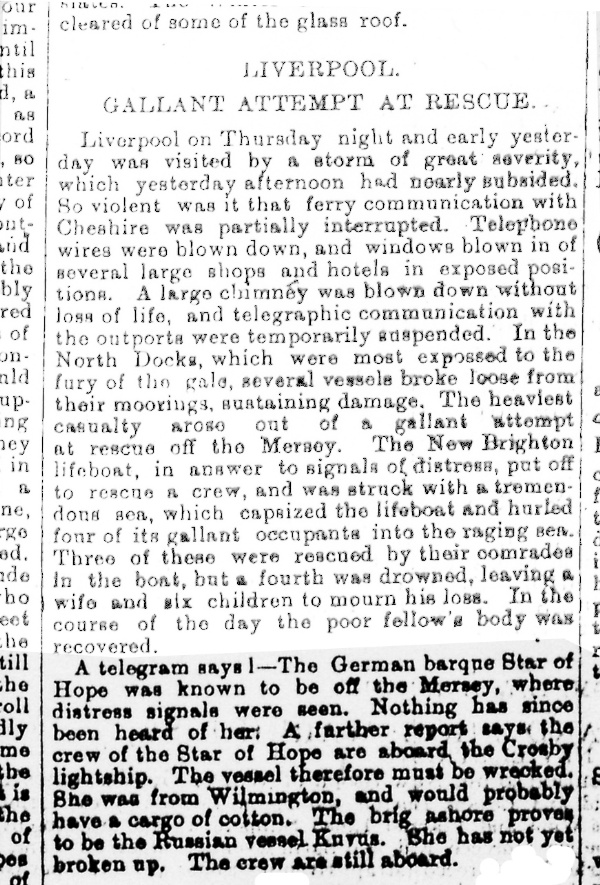 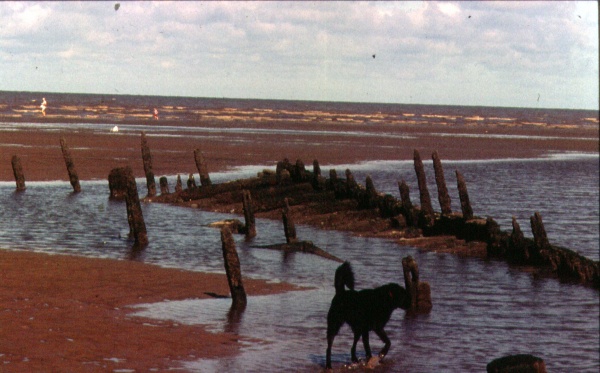 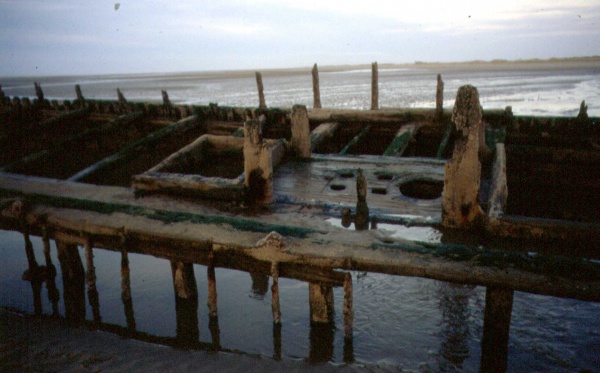 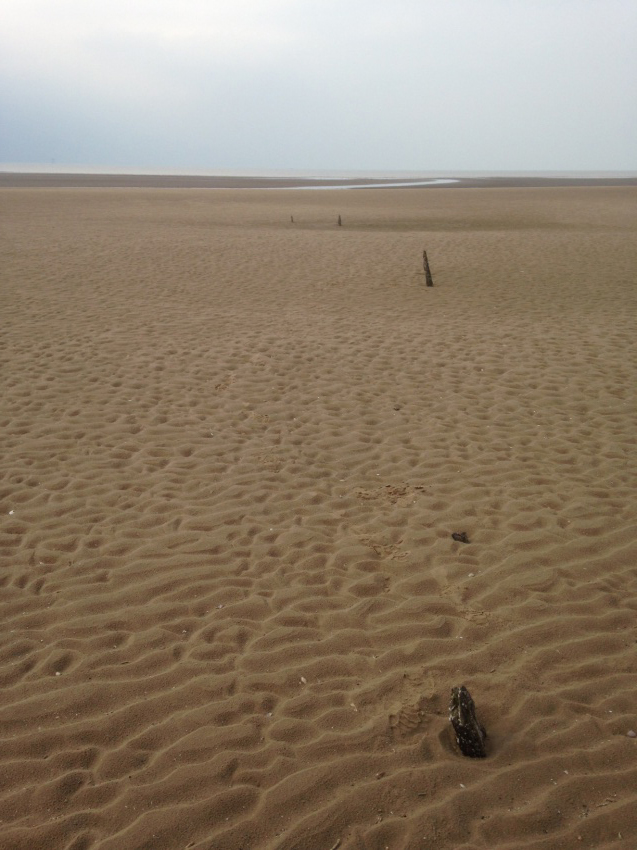 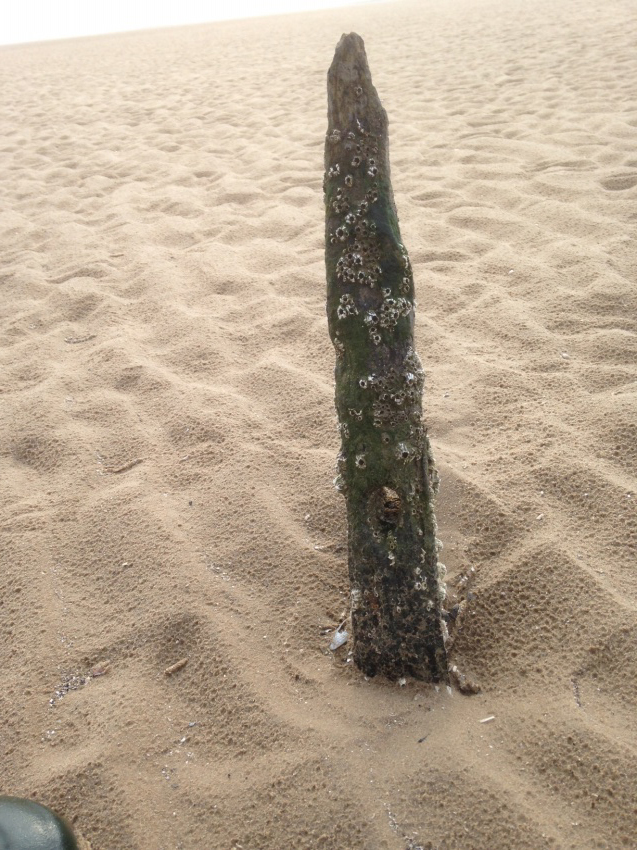  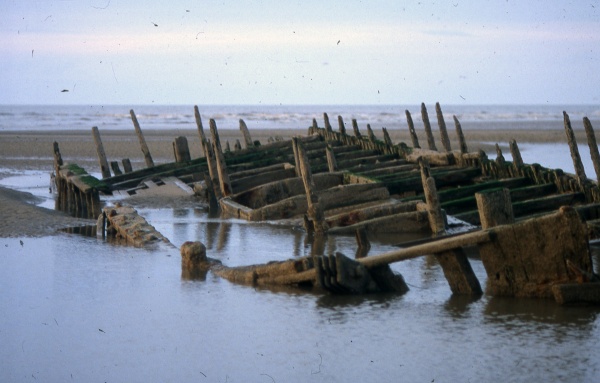 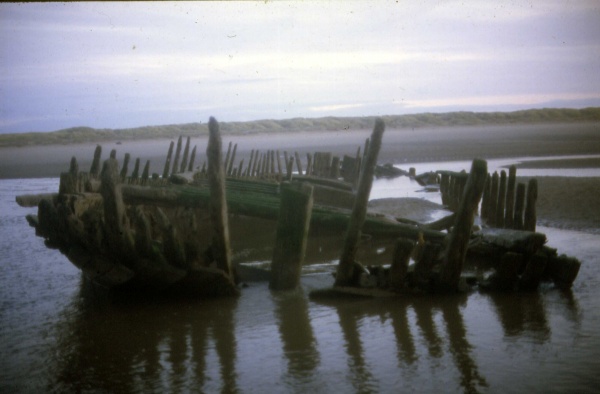 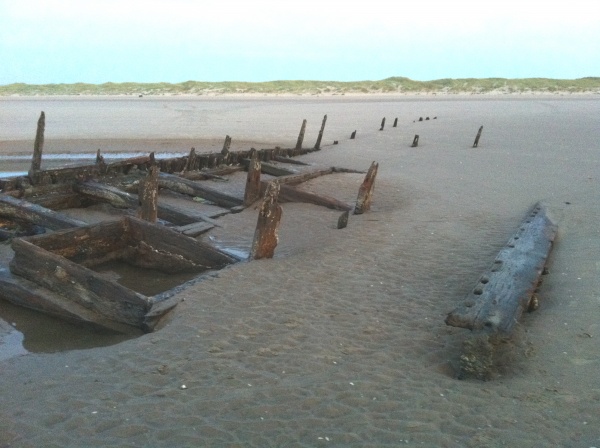 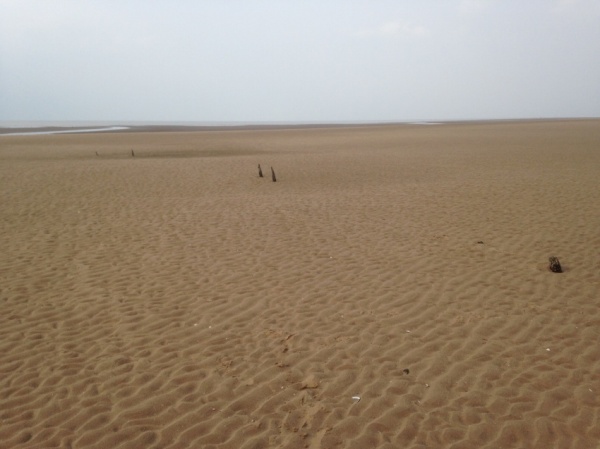 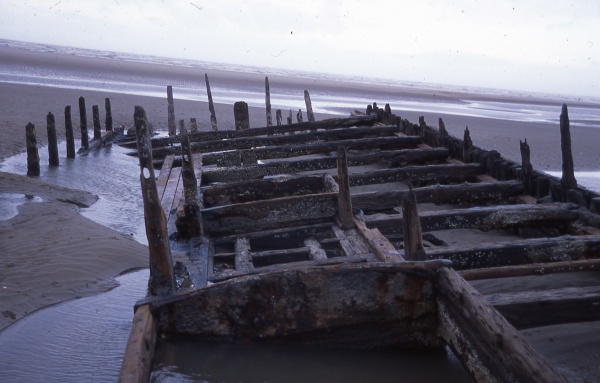
|